
Quiet home appliance options sets the stage for this enthralling narrative, offering readers a glimpse into a story that is rich in detail and brimming with originality from the outset. In our fast-paced world, creating a tranquil environment at home is essential, and selecting the right appliances plays a significant role in achieving that peace. From sound-dampening technologies to thoughtfully designed features, a variety of quiet appliances can transform your living space into a haven of calm.
This guide dives into the features that contribute to quiet appliances, the benefits they bring to a residential setting, and offers a curated list of top-rated options available in the market today. With a focus on enhancing both comfort and tranquility, we will explore how these appliances can significantly improve your everyday life.
Quiet Home Appliance Options
In today’s fast-paced world, having a peaceful home environment is more important than ever. Quiet home appliances not only contribute to a tranquil atmosphere but also enhance our overall quality of life. This article delves into the features, benefits, and top-rated options available on the market that can help reduce noise levels in your home.
Features That Make Home Appliances Quiet
Quiet appliances are designed with specific features that minimize noise production. Some of these features include:
- Sound Insulation: Many quiet appliances are built with sound-absorbing materials that dampen noise and vibrations.
- Advanced Motor Technology: Appliances equipped with brushless motors tend to operate more quietly than traditional motors.
- Noise Reduction Designs: Innovative designs and engineering techniques help in minimizing noise during operation, such as improved airflow paths in dishwashers and washing machines.
Benefits of Using Quiet Appliances in Residential Settings
Incorporating quiet appliances into your home comes with numerous benefits. These include:
- Enhanced Comfort: Reducing noise levels leads to a more comfortable living space, promoting relaxation and well-being.
- Improved Focus: A quieter environment allows for better concentration, making it easier to work or study at home.
- Better Sleep Quality: Using quiet appliances in bedrooms can lead to improved sleep quality, helping you wake up refreshed.
Top-Rated Quiet Home Appliances
When selecting quiet appliances, here are some top-rated options currently available:
- Bosch 800 Series Dishwashers: Known for their ultra-quiet operation at just 44 dBA, making them one of the quietest on the market.
- LG Smart Wi-Fi Enabled Washer: Offers advanced noise-reducing technology and operates quietly during spin cycles.
- Whirlpool Quiet Partner Series: This dishwasher operates quietly without sacrificing cleaning performance.
Home Improvement Appliances
To create a comfortable and quiet home, it’s important to choose appliances that incorporate noise reduction features. This section provides insights on selecting quiet home improvement appliances, energy efficiency, and sound-dampening technology.
Choosing Appliances for a Quiet Home
Selecting the right appliances is crucial in enhancing the comfort of your living space. Here are some tips:
- Look for products with high energy efficiency ratings, as they often come with better sound insulation.
- Consider appliances with adjustable settings that allow you to operate them at quieter levels when necessary.
- Read user reviews to gauge the actual noise levels reported by other homeowners.
Energy-Efficient and Quiet Appliances
Opting for energy-efficient appliances can also contribute to a quieter home. These appliances often use advanced technology to minimize noise, such as:
- Inverter Technology: Found in refrigerators and air conditioners, this technology allows for quieter operation by adjusting power consumption.
- Variable Speed Motors: These motors can run at different speeds, reducing noise during low-demand situations.
Impact of Sound-Dampening Technology
Modern appliances incorporate sound-dampening technologies that significantly reduce operational noise. Key aspects include:
- Insulated Casings: Many appliances feature insulated outer shells that prevent sound from escaping.
- Vibration Control Mechanisms: Appliances with vibration-damping mounts can minimize noise generated during operation.
Bath and Shower
Bathrooms often contribute to noise pollution in a home, but there are quiet plumbing fixtures and soundproofing options available. This section explores various solutions to minimize noise in these areas.
Quiet Plumbing Fixtures
To create a serene bathroom environment, consider installing quiet plumbing fixtures such as:
- Pressure-balanced Shower Valves: These valves help to reduce noise during water flow.
- Low-noise Toilet Models: Certain toilets are designed with sound-dampening features to minimize flushing noise.
Soundproofing Options for Bathrooms
Enhancing tranquility in your bathroom may also involve implementing soundproofing measures. Effective options include:
- Acoustic Panels: Adding these panels to walls can significantly absorb sound.
- Insulated Pipes: Wrapping pipes with insulation can prevent noise from water movement.
Quiet Exhaust Fans
Choosing the right exhaust fan is essential for maintaining a peaceful bathroom atmosphere. Recommended quiet exhaust fans include:
- Panasonic WhisperSense: Operates at a very low noise level while effectively venting moisture.
- Broan-NuTone Ultra Silent: Known for its whisper-quiet operation, perfect for bathrooms.
Home Improvement Cabinets
The design of kitchen and bathroom cabinets can significantly influence the noise levels in your home. This section discusses how cabinet design, materials, and organization can contribute to a quieter environment.
Cabinet Design for Quiet Environments
Cabinet design plays a crucial role in minimizing noise. Consider the following:
- Soft-close Hinges and Slides: These mechanisms prevent slamming and reduce noise when closing cabinet doors and drawers.
- Integrated Sound-Dampening Features: Cabinets with built-in soundproofing materials can absorb noise effectively.
Materials for Sound Absorption
Using the right materials in cabinetry can enhance sound absorption. Some suitable materials include:
- MDF (Medium-Density Fiberboard): Known for its sound-dampening properties compared to plywood.
- Acoustic Panels: Integrating acoustic panels into cabinet design can further reduce noise levels.
Organizing Cabinets for Reduced Noise
Proper organization can also help minimize noise during daily use. Tips include:
- Keep frequently used items within easy reach to avoid unnecessary slamming of cabinet doors.
- Utilize soft organizers or dividers to prevent items from rattling against each other.
Cleaning Tips and Tools
Maintaining a clean home doesn’t have to be a noisy affair. This section provides insights on quiet cleaning appliances and strategies for keeping noise levels down while you clean.
Quiet Cleaning Appliances and Tools
Investing in quiet cleaning tools can make a significant difference. Suggested options include:
- Shark Rocket Corded Hand Vac: This vacuum operates quietly while still providing strong suction.
- Dyson V11 Torque Drive: Known for its quiet operation due to advanced noise-reducing technology.
Maintaining a Quiet Home While Cleaning
To keep your home quiet while you clean, consider the following techniques:
- Schedule cleaning tasks during times when noise is less disruptive, such as during the day.
- Use rugs or mats in cleaning areas to absorb sound from vacuuming.
Soundproofing Solutions for Cleaning Areas
Implementing soundproofing measures in cleaning areas can help. Consider:
- Installing sound-absorbing panels in laundry rooms or utility closets.
- Using acoustic curtains to reduce noise transmission from cleaning activities.
Home Improvement Concrete
Concrete can serve as an effective medium for soundproofing in homes. This section discusses its applications, methods for incorporating quiet zones, and the benefits of concrete for noise reduction.
Using Concrete for Soundproofing
Concrete is a durable material that can be utilized for soundproofing. Key points include:
- Concrete walls and floors provide excellent sound insulation, blocking external noise.
- Incorporating concrete barriers in outdoor spaces can help reduce noise from nearby streets.
Incorporating Quiet Zones in Concrete Design
Designing quiet zones with concrete can enhance acoustic comfort. Consider:
- Creating outdoor patios or decks with concrete surfaces that absorb sound.
- Using planters or concrete walls to create natural sound barriers in outdoor areas.
Benefits of Concrete in Noise Reduction Projects
Utilizing concrete in noise reduction projects offers several advantages:
- Durability: Concrete is long-lasting and requires minimal maintenance.
- Versatility: It can be molded into various designs, making it suitable for aesthetic and noise reduction purposes.
Feng Shui
Quiet appliances align closely with Feng Shui principles, promoting harmony and tranquility within the home. This section explores how to arrange spaces and choose appliances for a peaceful atmosphere.
Quiet Appliances and Feng Shui Principles
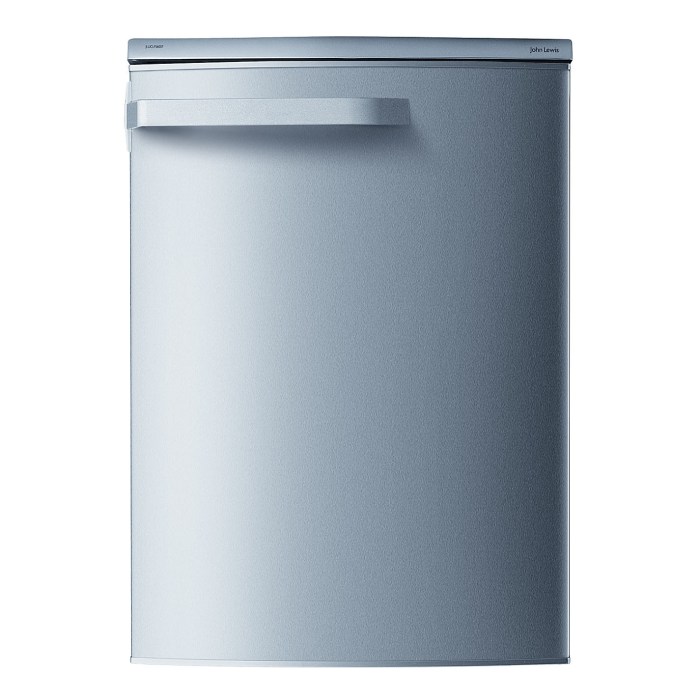
Feng Shui emphasizes harmony, which can be enhanced by incorporating quiet appliances. Considerations include:
- Choosing appliances that operate quietly to maintain a soothing environment.
- Arranging appliances and furniture in a way that promotes free energy flow and minimizes noise disturbances.
Arranging Spaces for Tranquility
Optimizing space arrangement is vital for reducing noise. Suggestions include:
- Positioning larger appliances away from quiet areas, such as bedrooms, to minimize disturbances.
- Creating dedicated quiet zones with minimal electronic devices to foster relaxation.
Creating a Peaceful Home Atmosphere
To enhance peace through appliance choices, implement these tips:
- Selecting appliances with soft colors and designs that blend into the environment can promote tranquility.
- Incorporating plants and natural elements alongside quiet appliances can create a calming ambiance.
Home Improvement Flooring
Flooring plays a crucial role in minimizing noise within the home. This section identifies noise-reducing flooring options, the importance of underlayment materials, and compares different flooring types.
Flooring Options to Minimize Noise
Choosing the right flooring can significantly affect noise levels. Suitable options include:
- Carpet: Provides excellent sound absorption and is ideal for bedrooms and living areas.
- Cork Flooring: Naturally dampens sound and adds a warm aesthetic to spaces.
Importance of Underlayment Materials
Underlayment materials are crucial for soundproof flooring. Benefits include:
- They provide an additional layer of sound insulation between the floor and the subfloor.
- High-quality underlayment can enhance the comfort and durability of your flooring.
Comparing Different Flooring Types
When selecting flooring for quiet living, consider the following comparisons:
| Flooring Type | Noise Reduction | Maintenance |
|---|---|---|
| Carpet | High | Moderate |
| Cork | Moderate | Low |
| Hardwood | Low | High |
Home Improvement Furniture
The placement and selection of furniture can greatly influence noise levels within a home. This section discusses the impact of furniture on noise and suggests tips for creating a quieter atmosphere.
Furniture Placement and Noise Levels
Strategic furniture placement can help mitigate noise. Considerations include:
- Positioning bookshelves and heavy furniture against walls can absorb sound and reduce echo.
- Arranging seating areas to create natural barriers can help contain noise within specific spaces.
Selecting Furniture for a Quieter Atmosphere
The right furniture can enhance a peaceful environment. Recommended options include:
- Upholstered Furniture: Soft materials absorb sound more effectively than hard surfaces.
- Massive Wooden Furniture: Heavier pieces tend to produce less noise when moved and can act as sound barriers.
Sound Absorption Qualities of Furniture Materials
Different materials contribute to sound absorption. Consider:
- Fabric Choices: Opting for thick, textured fabrics can enhance sound absorption.
- Wood Density: Denser woods are generally better at dampening sound than lighter woods.
Green Living
Choosing eco-friendly appliances not only benefits the environment but can also contribute to a quieter home. This section discusses the benefits of sustainable practices in creating a peaceful living space.
Benefits of Eco-Friendly and Quiet Appliances
Eco-friendly appliances often feature designs that also promote quiet operation. Key benefits include:
- Reduced environmental impact while minimizing noise pollution.
- Energy-efficient models that typically operate more quietly.
Sustainable Practices for a Quiet Home
Implementing sustainable practices can further enhance tranquility. Consider:
- Using natural materials in home construction and decoration to reduce noise.
- Choosing energy-efficient lighting options that create a calming ambiance without excessive noise.
Reducing Noise Pollution Through Green Initiatives
To further contribute to noise reduction, homeowners can:
- Plant trees or shrubs around the home to act as natural sound barriers.
- Participate in community initiatives aimed at reducing overall noise pollution in urban areas.
Home Inspections
Assessing noise levels during a home inspection can reveal important insights into a home’s comfort level. This section discusses the significance of soundproofing and provides a checklist for identifying noise-related issues.
Assessing Noise Levels During Home Inspections
Noise assessment is a vital part of home inspections. Key aspects include:
- Identifying the sources of noise, such as nearby traffic or loud appliances.
- Evaluating how well soundproofing measures have been implemented in the home.
Importance of Soundproofing in Home Evaluations
Soundproofing can significantly impact a home’s value and livability. Points to consider:
- Homes with effective soundproofing typically attract more buyers.
- Noise-related issues can lead to dissatisfaction and lower resale value.
Checklist for Noise-Related Issues
Here’s a helpful checklist for homeowners to identify potential noise-related concerns:
- Examine windows and doors for gaps that may allow noise to enter.
- Assess the insulation in walls and ceilings for sound-dampening effectiveness.
- Consider the location of noisy appliances in relation to living areas.
House Plans
The design of a house plays a critical role in fostering a quiet living environment. This section Artikels tips for incorporating soundproofing features and effective layouts for acoustic comfort.
Role of House Design in Promoting Quiet Living
When planning a house, consider how design elements can reduce noise. Important factors include:
- Creating separate zones for quieter spaces, such as bedrooms and offices, away from noisy areas.
- Utilizing materials and designs that enhance acoustic comfort throughout the home.
Incorporating Soundproofing Features in New House Plans
When designing new homes, include soundproofing features such as:
- Double-glazed windows to significantly reduce external noise.
- Implementing thicker walls or using soundproofing insulation material in construction.
Effective Layouts for Acoustic Comfort
Consider these examples of effective layouts:
- Using open floor plans wisely to balance space and sound distribution.
- Designing buffer zones, like hallways or storage rooms, to separate quiet areas from noise sources.
Interior Design and Decorating
Interior design choices can greatly contribute to a quieter home environment. This section discusses the importance of soft furnishings and tips for decorating to minimize noise distractions.
Contributions of Interior Design to a Quieter Home
Thoughtful interior design can help absorb noise and enhance tranquility. Key considerations include:
- Choosing soft furnishings like rugs, curtains, and upholstered furniture that absorb sound.
- Incorporating wall art and decor that can help diffuse sound waves.
Importance of Soft Furnishings for Sound Absorption
Soft furnishings are particularly effective at minimizing noise. Options to consider include:
- Thick Rugs: Placing rugs on hard floors can significantly reduce noise levels.
- Heavy Drapes: Using heavy drapes can block outside noise and absorb sound within the room.
Decorating Spaces to Minimize Noise Distractions
To create a peaceful atmosphere, focus on:
- Arranging furniture to create cozy conversation areas that reduce noise flow.
- Using color schemes and materials that evoke calmness and serenity.
Patio Deck
Creating a serene outdoor living space involves choosing quiet outdoor appliances and proper landscaping. This section discusses options for minimizing noise on patios and decks.
Quiet Outdoor Appliances for Patios and Decks
Selecting quiet outdoor appliances is key to enjoying your outdoor spaces. Consider:
- Low-noise Grills: Certain gas and electric grills are designed for quieter operation.
- Silent Ceiling Fans: These can enhance comfort without adding noise to your outdoor experience.
Importance of Landscaping in Sound Reduction
Landscaping plays a significant role in sound reduction. Effective strategies include:
- Planting trees and shrubs strategically to create natural barriers against noise.
- Incorporating water features, which can mask unwanted sounds from the surroundings.
Creating a Serene Outdoor Living Space
To create a peaceful outdoor area, consider:
- Using soft furnishings such as cushions and throws to enhance comfort.
- Designing spaces that encourage relaxation, like secluded seating areas surrounded by nature.
Home Improvement Remodeling
During remodeling projects, soundproofing techniques can be crucial for maintaining tranquility. This section provides guidance on selecting quiet appliances and highlights successful remodeling projects focused on noise reduction.
Soundproofing Techniques During Remodeling
Implementing effective soundproofing during remodeling can include:
- Adding sound-dampening insulation in walls and ceilings to minimize noise transmission.
- Using resilient channels when installing drywall to further reduce sound transfer.
Selecting Quiet Appliances When Renovating
When choosing appliances during renovations, prioritize:
- Models with high energy efficiency ratings and low decibel levels.
- Appliances with sound-reducing technologies to ensure a quieter operation.
Successful Remodeling Projects Prioritizing Noise Reduction
Examples of effective remodeling projects include:
- Converting an open-concept space into distinct rooms with added soundproofing.
- Renovating bathrooms with quiet plumbing fixtures and soundproofing materials for enhanced tranquility.
Home Improvement Roofing
The roofing materials used can influence a home’s acoustics. This section discusses roofing tips for sound insulation and the impact of roof design on overall noise levels.
Roofing Materials and Their Acoustic Impact
Choosing the right roofing materials can significantly affect noise levels. Consider materials such as:
- Asphalt Shingles: Provide reasonable noise reduction, especially when combined with soundproof underlayment.
- Metal Roofing: Can be effective in noise reduction but may require additional insulation.
Designing Roofs for Enhanced Sound Insulation
Roof design plays a critical role in sound insulation. Consider:
- Steep roofs can help deflect rain and wind noise away from living spaces.
- Incorporating overhangs can shield outdoor areas from noise pollution.
Impact of Roof Design on Noise Levels
The design of a roof can affect the overall noise levels inside a home. Key points include:
- Using pitched roofs helps reduce internal noise levels by directing sound away.
- Flat roofs may require additional soundproofing measures to prevent noise accumulation.
Final Conclusion
In conclusion, opting for quiet home appliances not only elevates the comfort of your living space but also fosters a peaceful atmosphere that can be enjoyed by everyone. By choosing the right products and implementing soundproofing strategies, you can create a serene environment that enhances your quality of life. Embrace the quiet revolution in home appliances and enjoy a more harmonious living experience.
FAQ Compilation
What features should I look for in quiet home appliances?
Look for appliances with sound-dampening technology, lower decibel ratings, and designs specifically made to minimize noise during operation.
Are quiet appliances more expensive?
While some quiet appliances may come at a premium, many offer cost-effective options that are energy-efficient and long-lasting, making them a worthy investment.
Can I soundproof my existing appliances?
Yes, various soundproofing solutions, such as acoustic panels or mats, can be applied around existing appliances to help reduce noise levels.
Do quiet appliances consume more energy?
Not necessarily; many quiet appliances are designed to be energy-efficient, providing a quieter operation without sacrificing performance.
How can I maintain my quiet appliances for optimal performance?
Regular maintenance, such as cleaning filters and checking seals, can help ensure that your quiet appliances operate efficiently and continue to perform quietly.


