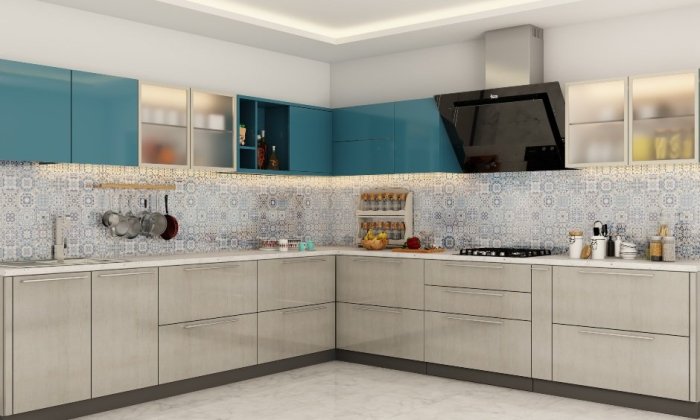
Modular kitchen cabinets have revolutionized the way we approach kitchen design, combining functionality with modern aesthetics. These innovative solutions are tailored to fit seamlessly into various spaces while offering a multitude of styles and storage options. With materials ranging from plywood to MDF, homeowners can easily customize their kitchen to reflect personal tastes and maximize efficiency.
Whether you’re renovating a beloved family space or building a new one, modular cabinets provide flexibility and adaptability that traditional cabinetry simply can’t match. They not only enhance the overall design but also contribute significantly to the value of your home, ensuring that every inch of your kitchen is utilized effectively.
Introduction to Modular Kitchen Cabinets
Modular kitchen cabinets are a contemporary solution designed to enhance the functionality and aesthetic appeal of kitchen spaces. These cabinets are pre-manufactured in various sizes and configurations, allowing for easy customization to fit different kitchen layouts. One of the key benefits of modular kitchen cabinets is their versatility; they can be arranged in multiple ways to maximize space efficiency while providing ample storage.
With an array of materials and finishes available, homeowners can achieve their desired look without sacrificing quality or durability.The most common materials used for modular kitchen cabinets include plywood, MDF (Medium Density Fiberboard), and particleboard. Each material has its unique properties, making them suitable for various design styles and budgets. Plywood is known for its strength and durability, while MDF offers a smooth surface ideal for painting.
On the other hand, particleboard is a budget-friendly option that still provides adequate performance. In comparison to traditional kitchen cabinets, which are often custom-built and may take longer to install, modular cabinets offer a faster and more cost-effective solution without compromising on quality or design.
Designing Modular Kitchen Cabinets
Designing an efficient layout for modular kitchen cabinets involves careful planning and consideration of several factors. Here are some steps to guide the design process:
- Assess the kitchen space: Take measurements and consider the flow of movement within the kitchen.
- Identify storage needs: Determine what items will be stored in the cabinets to optimize space and organization.
- Choose a style: Select a design style that suits your taste and complements the overall theme of your home.
When it comes to design styles, modular kitchen cabinets can be adapted to various aesthetics. Here’s a list of popular design styles:
- Modern: Characterized by sleek lines, minimalistic designs, and a focus on functionality.
- Traditional: Features classic elements, rich woods, and ornate detailing.
- Minimalist: Emphasizes simplicity, with clean lines and neutral colors.
For color combinations, a visual guide can help you mix and match hues effectively. Consider pairing deep blues with light grays for a sophisticated look, or use bright whites with natural wood tones for a fresh and inviting atmosphere.
Home Improvement and Modular Kitchen Cabinets
Modular kitchen cabinets significantly enhance overall home improvement projects by providing a stylish and functional storage solution. These cabinets can elevate the aesthetic appeal of a kitchen, which is often a focal point in any home. The presence of modern and well-organized cabinets can also positively impact the resale value of a property, making it an attractive option for potential buyers.In terms of integration, modular cabinets can seamlessly blend with other home improvement elements.
For instance, coordinating countertop materials or backsplash designs can create a cohesive look that ties the entire space together. Homeowners can also incorporate energy-efficient appliances that complement the modular cabinetry, further enhancing the kitchen’s functionality and energy savings.
Home Improvement Appliances and Modular Kitchen Cabinets
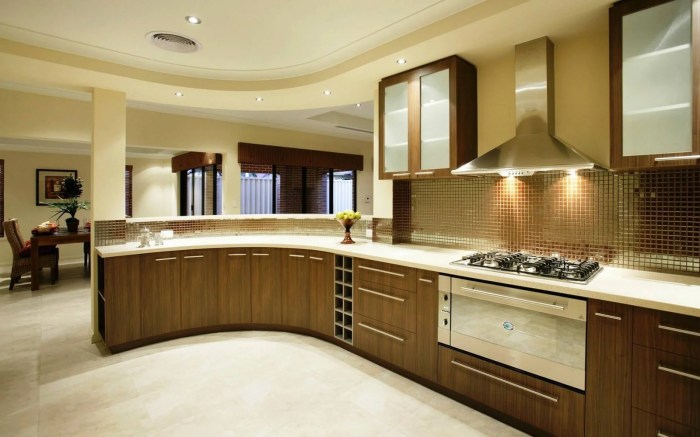
When selecting kitchen appliances to complement modular cabinets, it’s essential to consider both aesthetics and functionality. Popular appliance types include:
- Built-in ovens: These save space and provide a sleek look.
- Dishwashers: Choosing models that fit under the counter seamlessly enhances the streamlined appearance.
- Refrigerators: Opt for stainless steel finishes that match the cabinetry for a cohesive design.
To organize appliances within modular kitchen layouts, it’s helpful to designate specific zones for cooking, cleaning, and food storage. This organization maximizes efficiency and keeps the kitchen clutter-free. Compared to fixed cabinetry, modular cabinetry offers space-saving features such as pull-out shelves and corner units that optimize every inch of storage.
Storage Solutions within Modular Kitchen Cabinets
Innovative storage solutions are a standout feature of modular kitchen cabinets. Some effective ideas include:
- Pull-out shelves: These allow for easy access to items at the back of the cabinet.
- Lazy Susans: Ideal for corner cabinets, these rotating trays maximize space.
- Vertical dividers: These help organize baking sheets, cutting boards, and trays vertically, saving space.
Maximizing vertical space is crucial in any kitchen. Modular cabinet designs often incorporate tall cabinets that extend to the ceiling, providing additional storage for items that are not frequently used. Organized storage is essential for improving kitchen functionality, making it easier to find and access everyday items.
Cleaning Tips for Modular Kitchen Cabinets
Maintaining the appearance and longevity of modular kitchen cabinets requires proper cleaning and care. Here are some effective cleaning solutions tailored for different cabinet materials:
- Plywood: Use a mixture of mild soap and water with a soft cloth to clean.
- MDF: Avoid excess moisture; instead, use a damp cloth and a gentle cleaner.
- Particleboard: A dry dusting is often sufficient; for stains, use a light cleaner.
To extend the life of modular kitchen cabinets, regular maintenance is key. This includes checking for loose hardware, re-tightening screws, and ensuring that the finish is intact. Establishing a cleaning schedule can help maintain the cabinets’ appearance, ensuring they remain a stylish focal point in the kitchen.
Feng Shui and Modular Kitchen Cabinets
The principles of Feng Shui in kitchen design emphasize creating a harmonious and balanced environment. Modular kitchen cabinets can enhance energy flow by providing organized and clutter-free spaces. Thoughtful positioning of cabinets, such as placing them at an angle or ensuring they don’t block natural light, contributes to a positive energy flow.Color selection plays a vital role in Feng Shui.
Warm colors like soft yellows and earthy tones can create a welcoming atmosphere, while greens inspire growth and balance. By incorporating these colors in your cabinet choices, you can achieve a harmonious kitchen that supports well-being.
Remodeling with Modular Kitchen Cabinets
Remodeling a kitchen with modular cabinets involves a well-structured approach. A step-by-step guide includes:
- Planning: Determine your budget and desired layout.
- Choosing cabinets: Select the appropriate styles and materials.
- Installation: Follow the manufacturer’s guidelines for proper assembly and installation.
Common mistakes to avoid during the remodel include underestimating the budget, failing to measure the space accurately, and not considering the flow of movement in the kitchen. Planning and budgeting are crucial for a successful kitchen remodel, ensuring that the project stays on track and meets the homeowner’s expectations.
Interior Design and Modular Kitchen Cabinets
Integrating modular cabinets into various decor styles requires thoughtful design considerations. Here are some tips for achieving a harmonious look:
- Match cabinet finishes with existing decor elements, such as countertops and flooring.
- Incorporate open shelving to create an inviting display area.
- Choose cabinet hardware that complements the overall design theme.
Current trends in modular kitchen cabinet designs lean towards minimalistic aesthetics, with a focus on functionality and clean lines. A mood board featuring different modular cabinet aesthetics can serve as inspiration, showcasing combinations of colors, materials, and styles that resonate with your vision.
Green Living and Modular Kitchen Cabinets
Sustainability is becoming increasingly important in kitchen design, and modular kitchen cabinets can be made from eco-friendly materials such as bamboo, reclaimed wood, and low-VOC finishes. By choosing sustainable materials, homeowners can contribute to a healthier environment.Creating an eco-friendly kitchen with modular cabinets also involves incorporating energy-efficient appliances. These appliances not only reduce energy consumption but can also be seamlessly integrated into modular designs, enhancing both functionality and sustainability.
Tools and Equipment for Installing Modular Kitchen Cabinets
For those considering a DIY approach to installing modular cabinets, having the right tools is essential. Key tools include:
- Drill: For assembling and securing cabinets.
- Screwdriver: Essential for tightening hardware.
- Level: Ensures cabinets are installed straight and even.
- Tape measure: For accurate measurements of the kitchen space.
The installation process typically involves assembling the cabinets, securing them to the wall, and adding hardware. Safety tips include wearing protective eyewear, ensuring a clean workspace to prevent accidents, and following all manufacturer guidelines during installation.
Final Summary
In summary, modular kitchen cabinets offer a perfect blend of style and practicality, making them an ideal choice for any kitchen remodel or new build. By embracing innovative designs, efficient storage solutions, and sustainable materials, these cabinets can elevate your cooking space and create a harmonious environment that reflects your lifestyle. As you consider your options, remember that investing in modular cabinets is an investment in both functionality and future home value.
Questions and Answers
What are the benefits of modular kitchen cabinets?
Modular kitchen cabinets offer customization, efficient storage, and modern design, all while being cost-effective and easier to install compared to traditional cabinetry.
How do I choose the right materials for modular cabinets?
Consider factors such as durability, maintenance requirements, and aesthetics. Common materials include plywood, MDF, and particle board.
Can I install modular kitchen cabinets myself?
Yes, with the right tools and instructions, many homeowners can successfully install modular cabinets as a DIY project.
How do modular cabinets impact kitchen layout?
Modular cabinets are designed to optimize space utilization, allowing for efficient layouts that enhance workflow and accessibility.
Are modular kitchen cabinets eco-friendly?
Many manufacturers offer eco-friendly options made from sustainable materials and low-VOC finishes, contributing to a greener kitchen environment.


